
When you think about a sustainable home, what comes to mind? Maybe energy-efficient appliances, good insulation, or solar panels. Honestly, the roof is often the forgotten hero—or the silent villain—of a home’s environmental story. It’s the shield that takes the brunt of sun, rain, and wind, year after year.
Choosing a sustainable roofing material isn’t just about the recycled content in the shingle you install. It’s a much bigger picture. You have to consider the entire lifecycle: where the raw materials come from, the energy used to make it, how long it lasts on your house, and what happens to it when it’s finally torn off. That’s the real measure of a roof’s green credentials.
What Does “Sustainable” Even Mean for a Roof?
Let’s break it down. A truly sustainable roofing material minimizes its environmental footprint across its entire existence. Think of it like judging a car not just by its MPG, but by the mining for its batteries, the factory emissions, and whether its parts can be recycled later.
Here are the key factors that matter in a roof’s lifecycle:
- Sourcing: Are the materials virgin or recycled? Are they rapidly renewable (like plants) or mined? What’s the environmental cost of extraction and transport?
- Manufacturing & Embodied Energy: This is the total energy consumed to produce and deliver the roofing product. Some materials require immense heat and processing, locking in a huge carbon debt before they even leave the factory.
- Durability & Longevity: Honestly, this might be the most important factor. A roof that lasts 50 years and needs little maintenance is almost always better than one that needs replacing every 15, even if the shorter-lived one has recycled content. Less frequent manufacturing, less waste in the landfill.
- Energy Efficiency: How does the roof affect your home’s heating and cooling loads? A reflective “cool roof” can drastically cut air conditioning costs.
- End-of-Life: Can the material be recycled, repurposed, or does it biodegrade safely? Or is it destined for the dump?
A Closer Look at Popular Sustainable Roofing Options
Alright, let’s dive into the specifics. Here’s a rundown of some of the top contenders in the sustainable roofing arena and how they stack up across their lifecycle.
Metal Roofing
Metal roofs have surged in popularity, and for good reason. They’re like the durable, recyclable water bottle of the roofing world.
Lifecycle Impact: Most metal roofs contain a high percentage of recycled steel or aluminum—often 25-95%. The manufacturing process is energy-intensive, sure, but that initial “embodied energy” cost is offset by an incredibly long service life of 40-70 years. At the end of that life, the metal is 100% recyclable again, creating a closed-loop system. Plus, metal roofs are excellent for reflecting solar heat, reducing your cooling costs.
Clay and Concrete Tiles
These materials have been around for centuries. They’re heavy, robust, and possess a timeless aesthetic.
Lifecycle Impact: Sourcing is a mixed bag. Clay and concrete come from abundant natural resources, but quarrying does disturb the land. The manufacturing, particularly for clay tiles, requires firing in kilns at very high temperatures, which translates to significant embodied energy. The payoff? An exceptionally long lifespan—60 to 100 years or more isn’t unheard of. They’re also inert, meaning they don’t leach chemicals, and at end-of-life, they can be crushed and used as aggregate for road base or other construction projects.
Slate Roofing
The granddaddy of long-lasting roofs. A properly installed slate roof isn’t just a roofing choice; it’s a legacy.
Lifecycle Impact: Slate is a natural stone, so it’s literally quarried from the earth. The environmental impact is primarily from the quarrying process and transportation, as it’s heavy and often shipped long distances. There’s minimal processing, so its embodied energy is lower than fired tiles. Its durability is legendary, with lifespans exceeding 100 years. When it’s finally done, slate can be repurposed or will simply return to the earth without any toxic legacy.
Wood Shakes and Shingles (from Sustainable Sources)
Wood offers a warm, natural look that many homeowners love. The sustainability, however, hinges entirely on its source.
Lifecycle Impact: If the wood comes from forests certified by the Forest Stewardship Council (FSC), you’re supporting responsible forestry. Wood is a renewable resource and has a relatively low embodied energy compared to metal or tile. The downside? Lifespan is shorter, typically 25-30 years, and it requires treatment to resist fire and rot. At end-of-life, untreated wood can biodegrade, but treated wood poses disposal challenges.
Recycled-Content Shingles
This category includes shingles made from recycled waste plastics, rubber, or wood fiber. They’re an innovative solution to the plastic pollution problem.
Lifecycle Impact: The big win here is diverting waste from landfills. These shingles give a second life to materials that would otherwise pollute the environment. They are also incredibly durable, often lasting 50 years, and require less energy to manufacture than many virgin materials. The main question mark—and it’s a big one—is their end-of-life. While some manufacturers have take-back programs, the recyclability of these composite products is still evolving. It’s a fantastic “cradle-to-gate” solution, but the “gate-to-grave” part is still being worked out.
Green Roofs: The Living Option
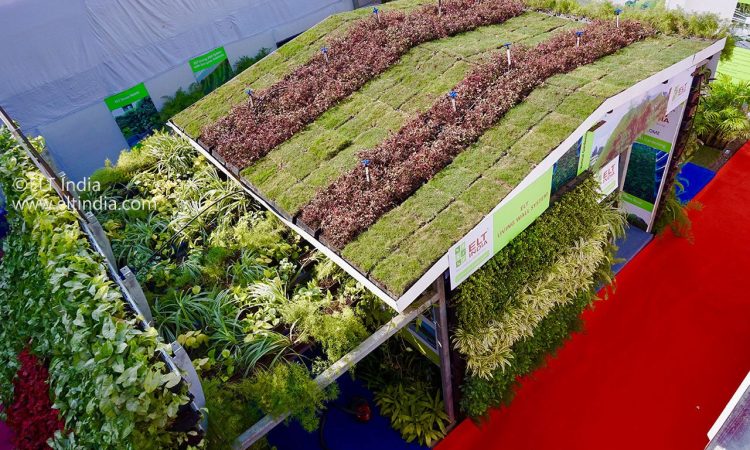
We can’t talk about sustainable roofing without mentioning the option that literally brings life to the top of your house. A green roof, or living roof, is a layered system of waterproofing, soil, and vegetation.
Lifecycle Impact: The initial impact involves the production of membranes and other layers. But the operational benefits are massive. Green roofs act as incredible insulators, reducing both heating and cooling costs. They manage stormwater runoff, absorbing rain and reducing strain on city sewers. They create habitats for pollinators and help combat the urban heat island effect. Their lifespan can be long, but they do require maintenance, much like a garden. It’s a functional, beautiful, and truly ecosystem-supporting choice.
Making the Right Choice For Your Home
So, with all these options, how do you choose? Well, there’s no single “best” answer. It depends on your climate, your budget, and your home’s architecture. A metal roof might be perfect in a fire-prone area, while a cool roof coating on a low-slope roof in a hot climate could be the most impactful choice.
The most sustainable roof, you know, is often the one that’s already there. If your existing roof is damaged but salvageable, explore repair options first. If a full replacement is necessary, prioritize longevity above all else. A 50-year roof that ends up in a landfill might still have a lower lifetime impact than two 25-year roofs, each with their own manufacturing and installation cycles.
Talk to your contractor about the end-of-life plan for your old roofing material. Can the tear-off be recycled? More and more companies are offering this service for asphalt shingles and metals. Asking these questions pushes the entire industry toward a more circular economy.
In the end, choosing a sustainable roof is a powerful, long-term decision. It’s about looking past the initial install and seeing the whole story—from the earth, to your home, and back again. It’s about building a shelter that protects not just you, but the environment it sits in, for generations to come.