
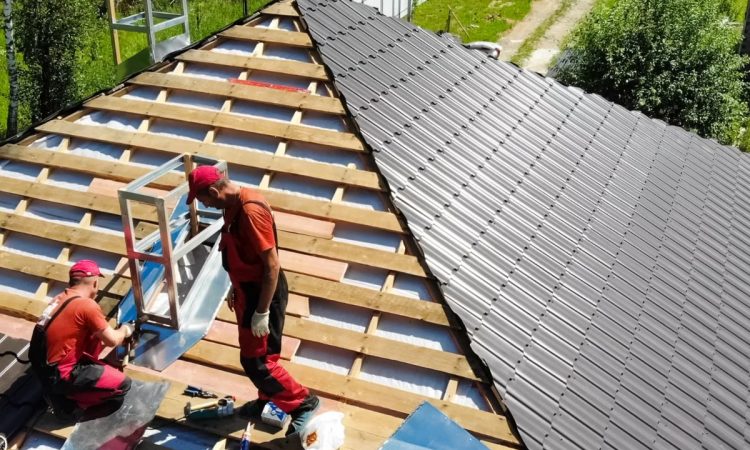
Let’s be honest—when you’re dreaming up a tiny house, a skoolie, or a shipping container home, the roof isn’t usually the star of the show. It’s all about the clever loft layout or the multi-functional furniture. But here’s the deal: your roof is the silent guardian, the unsung hero that stands between you and a very bad, soggy day. Roofing for these unconventional spaces isn’t just a scaled-down version of a standard house roof. It has its own unique set of rules, challenges, and, honestly, opportunities for creativity.
Why Roofing for Tiny and Alternative Homes is a Different Beast
You can’t just slap on any old roofing material and call it a day. The considerations here are… well, they’re weighty. Literally. Every pound counts on a mobile tiny home. And for stationary alternative dwellings, the roof profile is often a huge part of the aesthetic—you know, that certain look you’re going for. It’s a balancing act between practicality, weight, cost, and style that requires some real thought.
Key Factors to Weigh Before You Begin
1. Mobility vs. Permanence
This is the big one. Is your home hitting the open road or is it rooted in one place?
- For THOWs (Tiny Houses on Wheels): Aerodynamics and weight are king. A tall, steep roof acts like a sail, making towing a white-knuckle experience in high winds. Low-profile, slightly sloped roofs are far more highway-friendly. And every roofing material adds dead weight—something your trailer’s rating and your tow vehicle care deeply about.
- For Stationary Dwellings (containers, cob, etc.): You have more freedom. You can consider heavier materials like clay tile or a lush green roof. The focus shifts more to longevity, insulation value, and how the roof complements the land and structure.
2. The Critical Importance of Pitch and Profile
The shape of your roof isn’t just about looks—it dictates everything from water runoff to interior space. A shed roof (single slope) is super modern and great for rainwater collection, but it can limit loft headroom. A classic gable roof offers more interior volume and sheds snow well, but adds height. For mobile homes, a curved or “vaulted” roof can actually improve aerodynamics, believe it or not.
3. Weight: The Ultimate Limiting Factor
We have to circle back to this. On a THOW, you’re already packing in appliances, water, belongings… The roof can’t be the thing that breaks the camel’s back. Lightweight options aren’t just a suggestion; they’re a necessity for safety and mobility.
Roofing Material Showdown for Small Footprints
Alright, let’s get into the nitty-gritty. Here’s a quick breakdown of popular choices.
| Material | Best For | Pros | Cons |
| Metal (Standing Seam) | THOWs, modern stationary homes | Lightweight, durable, excellent runoff, sleek look | Higher upfront cost, can be noisy in rain |
| EPDM Rubber | Low-slope roofs, skoolies, containers | Flexible, very watertight, relatively light, DIY-friendly | Black color absorbs heat, aesthetic isn’t for everyone |
| TPO/PVC (Single-Ply) | Flat or low-slope alternative dwellings | Reflective (cooler), lightweight, resistant to punctures | Professional installation often recommended |
| Architectural Shingles | Stationary tiny homes with standard slopes | Traditional look, good value, widely available | Heavy, not ideal for most THOWs, shorter lifespan than metal |
| Green Roofs | Permanent, structurally-strong eco-dwellings | Superb insulation, manages stormwater, beautiful | Extremely heavy, complex build, requires maintenance |
The Hidden Layers: Underlayment, Insulation, and Ventilation
It’s not just about the top layer. What’s underneath is what keeps you comfortable and prevents rot. In a tiny space, a poorly insulated roof means you’re either baking or freezing—there’s no in-between.
- Underlayment: This is your secondary water barrier. For extreme climates or mobile homes facing driving rain, a synthetic, self-adhering underlayment is worth its weight in gold. It’s a bit of insurance.
- Insulation: You have to think in 3D. Spray foam is popular because it provides both insulation and an air seal in one go, crucial for irregular rafters in a tiny house loft. Rigid foam boards are another great option, especially for creating thermal breaks.
- Ventilation: This is non-negotiable. A vented air space between the roof sheathing and insulation allows moisture to escape. Without it, you’re inviting mold and wood rot to a party in your walls. Soffit vents paired with a ridge vent is the classic, effective system.
Special Considerations for Unique Structures
Each alternative dwelling type throws its own curveball.
Skoolies (Converted Buses)
The existing metal roof is your starting point. The biggest challenge is preventing condensation from the inside living space. Most builders insist on framing out a new roof inside, adding serious insulation, and ensuring a vapor barrier is in place. That original roof becomes mostly a weather shell.
Shipping Container Homes
The corrugated metal roof is tough but it conducts heat and cold like crazy. A framed-out, insulated roof built *over* the container is the standard solution. This also gives you a pitch for water drainage, since a flat container roof can… well, it can pool water, which is a one-way ticket to rust.
Yurts and Dome Homes
Here, the roof is the structure. It’s less about choosing a material in isolation and more about selecting a complete, integrated kit or design that’s proven to work. Waterproofing at the peak (for yurts) or at the many seams (for domes) is the critical detail that demands obsessive attention.
Parting Thoughts: Shelter as a Mindset
Choosing a roof for your small or alternative home is a profound exercise in priorities. It forces you to ask: What do I truly value? Is it absolute lightness for freedom of movement? Is it ecological harmony with a living roof? Or is it the durable, set-it-and-forget-it mentality for a forever homestead?
In the end, that roof over your head—whether it’s gleaming metal, resilient rubber, or even growing grass—isn’t just a technical specification. It’s the shell that defines your space, protects your dreams from the elements, and honestly, lets you sleep soundly through a thunderstorm. And that peace of mind? Well, that’s the best feature of any home, no matter its size.