
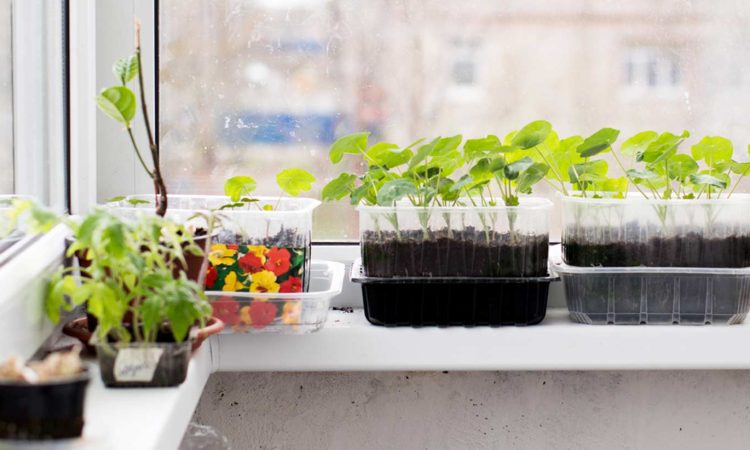
Honestly, the kitchen has always been the heart of the home. But what if it could also be its lungs—or even its garden? That’s the promise, and the quiet revolution, of weaving smart garden systems right into your kitchen design. We’re talking about sleek hydroponic herb gardens, countertop microgreens setups, and living walls that purify your air while you prep dinner.
It’s more than a trend. It’s a shift towards a kitchen that’s truly alive, responsive, and deeply personal. Let’s dive into how you can make it happen without your space looking like a science lab.
Why Bother? The Allure of the Kitchen Garden
Sure, you could just buy herbs in a plastic clamshell. But there’s something… soul-nourishing about snipping fresh basil you grew yourself. The flavor is explosive. The convenience is unbeatable. And the design potential? Well, it’s vast. Integrating a smart garden system solves a few modern pain points all at once:
- Freshness on Demand: No more wilted parsley. You have living, thriving ingredients at arm’s reach.
- Space Efficiency: Vertical hydroponic units or under-cabinder herb gardens turn dead space into productive, green space.
- The Wellness Factor: It’s not just about eating. The act of tending to plants, even automated ones, is a proven stress-reducer. Plus, they improve indoor air quality.
- A Striking Focal Point: A well-integrated smart garden becomes a living piece of art. It’s a conversation starter that’s also functional.
Design Integration: Making Tech Feel Organic
Here’s the deal. The biggest challenge isn’t the technology—it’s making it feel like it belongs. You don’t want wires and glaring LED lights to clash with your warm, rustic aesthetic. The goal is seamless kitchen garden integration.
1. The Dedicated “Grow Zone”
Think of it like planning for a major appliance. During a remodel or new build, designate a specific area. This could be a recessed nook beside the fridge, a slot at the end of an island, or even a modified cabinet. The key is to plan for water access (a nearby sink is perfect) and discreet power. Enclosing the system in a framed alcove with a subtle, waterproof finish makes maintenance easy and contains the light.
2. The Disappearing Act (Under-Cabinet & Pull-Out Systems)
For a cleaner look, consider tucking your hydroponic herb garden away. Imagine a shallow, pull-out drawer beneath your upper cabinets that reveals a lush row of herbs when you need it, and closes to hide the grow lights when you don’t. Or, a slim, under-cabinet unit that illuminates your countertop with a gentle, productive glow. It’s like having a secret garden right in your kitchen.
3. The Living Backsplash
This is for the bold. Replace a section of your tile backsplash with a vertical, water-circulating smart garden. Picture a mosaic of leafy greens, strawberries, or trailing herbs right behind your faucet. It’s a stunning visual and the ultimate in fresh-ingredient convenience. Just ensure it’s properly sealed and lit—and maybe skip this one right behind the stovetop where grease and heat are factors.
Choosing Your System: A Quick Comparison
Not all smart gardens are created equal, especially when design is a priority. Here’s a breakdown to help you match the system to your kitchen’s vibe and your own ambition level.
| System Type | Best For Kitchen Design… | Considerations |
| Countertop Pod Kits (AeroGarden, Click & Grow) | Easy start. Renters. Adding a spot of green to empty corners or windowsills. | Can look “plastic-y.” Light hoods can be bright. Best for herbs & lettuces. |
| Modular Vertical Walls (Tower Garden, DIY channels) | Statement pieces. Maximizing yield in a small footprint. Living walls. | Requires more planning for water/power. Can be visually dominant. |
| Custom Integrated Units (Built-in hydroponics) | Full renovation projects. The ultimate streamlined, high-end look. | Costly. Requires professional installation. True seamless integration. |
| Smart Soil-Based Planters (with self-watering/lighting) | Those who love traditional potting but hate the guesswork. Warmer, less techy feel. | Less “high-tech” yield. Still requires some soil mess. Great for larger herbs & chilies. |
The Nuts, Bolts, and Water Lines
Okay, let’s get practical. Making this work long-term means thinking about the stuff behind the greenery.
- Lighting: Most systems use LED grow lights. Look for ones with adjustable intensity or timers, and consider units with more neutral white lights rather than harsh purple glows, which can be jarring in a kitchen at night.
- Water & Nutrients: You’ll be refilling and adding liquid nutrients every couple of weeks. Easy access to a sink is a huge plus. Noise from water pumps is generally minimal—a soft hum—but it’s something to note if you crave absolute silence.
- Climate Control: Kitchens have wild temperature swings. Most herbs and greens are forgiving, but avoid placing your system directly next to an oven vent or a drafty window. The tech inside usually helps regulate root temperature, anyway.
The Human Touch in a Tech-Driven Garden
And here’s the beautiful paradox. The most advanced smart garden still needs you. It needs you to notice the first true leaves on a basil seedling. To savor the crisp scent of mint when you brush past it. To feel that small, daily connection to growth and life.
That’s the real integration. It’s not just about fitting a gadget into a cabinet. It’s about weaving a thread of nature back into the rhythm of your daily life—the life that happens, more often than not, in the kitchen. The technology simply removes the barriers, the guesswork, the fear of failure. It lets you be a gardener with a 99% success rate, even if you’ve never kept a cactus alive.
So, what does your kitchen want to grow? A constant supply of punchy cilantro for tacos? A cascade of delicate strawberries for dessert? The quiet, green satisfaction of a wall that’s literally alive? The seed, as they say, is now planted.