
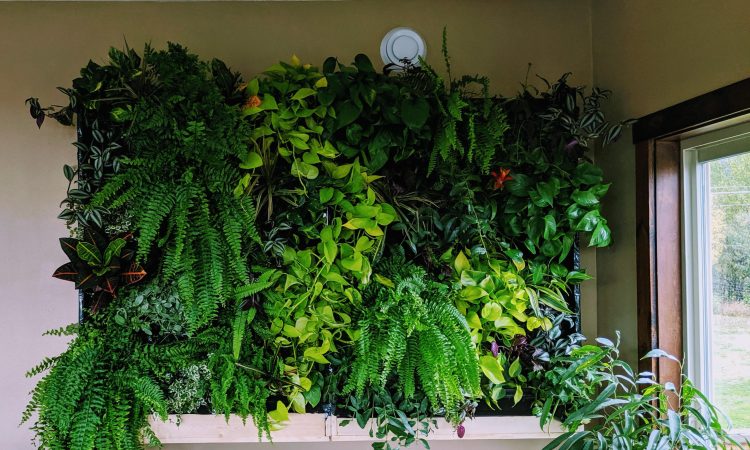
Let’s be honest. City living can be…a lot. The constant hum of traffic, the glare of screens, the sheer amount of concrete. It’s no wonder we sometimes feel a bit disconnected, a bit frazzled. What if your apartment could be more than just a box to sleep in? What if it could be a sanctuary that actively recharges you?
That’s the promise of biophilic design. Fancy term, simple idea: it’s about weaving our innate need to connect with nature into our built environments. And no, you don’t need a penthouse with a private forest. Implementing biophilic design principles in an urban apartment is totally doable. It’s about smart, intentional choices that make your space feel more alive. Let’s dive in.
Why Bother? It’s More Than Just “Pretty Plants”
Sure, biophilic design looks good on Instagram. But the real magic is in how it makes you feel. Studies consistently show that spaces with natural elements can lower stress, boost creativity, and even improve focus and sleep. In a dense urban setting, where “nature” might be a single street tree, your apartment becomes your primary ecosystem. Designing it with biophilia is a form of self-care.
The Core Ideas You Can Actually Use
Forget the complex architectural theories. For apartment dwellers, biophilic design boils down to three key areas you can tackle this weekend.
1. Direct Nature: The Living, Breathing Stuff
This is the most obvious one—introducing actual living elements. But it’s not just about buying a succulent and calling it a day. Think layers.
- Go Vertical with Your Greenery: Floor plants (like a hardy Snake Plant or a dramatic Fiddle Leaf Fig) are great. But in a small space, walls are your best friend. Consider a living wall planter for herbs, or use hanging planters (Macramé, anyone?) to create a cascading green curtain near a window.
- Choose Textures, Not Just Colors: Mix plants with different leaf shapes—big, glossy leaves next to feathery, delicate fronds. That variety mimics a real forest floor and is way more interesting.
- Don’t Forget the Water: A small tabletop fountain provides the soothing sound of moving water. It’s a sensory game-changer for masking street noise. Even a clear vase with some aquatic plants or a few smooth stones can evoke that calm, watery feeling.
2. Indirect Nature: The Art of the “Almost Natural”
Can’t keep a plant alive to save your life? No judgment. This pillar is for you. It’s about using materials, colors, and imagery that evoke nature.
Materials Matter: Swap out that polyester throw for a chunky wool or cotton knit. Choose a side table in raw, light wood instead of laminate. Incorporate stone, ceramic, or woven rattan. These natural materials have a texture and warmth that plastic and metal just…don’t.
Color Your World Naturally: Ditch the neon accent pillow. Look outside your window—what do you see? The soft blues of a sky (even a partly cloudy one), the greens of moss or foliage, the earthy browns of bark and soil, the gentle whites of clouds and stones. A palette drawn from these sources is inherently calming.
Light is Everything: Maximizing natural light is the single best thing you can do. Use sheer curtains. Place mirrors strategically to bounce light around. And when the sun goes down, mimic its rhythm. Use warm, dimmable lights in the evening—avoid the harsh, blue-toned overhead glare. Think of light like a dial you turn from bright morning to soft, amber dusk.
3. The Space & Place of It All: Layout and Experience
This is the subtle, often overlooked layer. It’s about how the space is organized to feel safe yet stimulating, like a good natural vista.
Create a “Prospect and Refuge”: It’s a fancy way of saying we love a room with a view (prospect) where we also feel tucked in and secure (refuge). Arrange your reading chair in a corner where you can see the door and window—a cozy nook with a view. It satisfies a deep-seated need for safety and opportunity.
Embrace Organic Shapes and Fractals: Nature is rarely a perfect rectangle. Look for furniture with curved lines, an organic-shaped rug, or art that features natural, repeating patterns (think fern fronds, snowflakes, the spiral of a shell). These patterns are incredibly soothing to our brains.
Your Biophilic Apartment: A Room-by-Room Cheat Sheet
| Room | Quick Wins | Go Deeper |
| Living Room | A large floor plant; a wool rug; wooden coffee table; nature photography. | Create a “conversation pit” with seating arranged around a central, natural element (like a plant group). Use a nature sounds machine. |
| Bedroom | Linen or cotton bedding; a small air-purifying plant (like an Aloe Vera); blackout curtains for sleep rhythm. | Install a “sky” mural or use a projector for a starry ceiling. Keep tech out to make it a true cave for rest. |
| Kitchen | Open shelving to display wooden bowls & ceramic pots; a windowsill herb garden. | Use a stone or wood countertop material if renovating. A water filter tap reminds you of fresh, clean sources. |
| Home Office | Position desk for window view; a small desktop fountain; a textured, natural mousepad. | Incorporate a “living wall” divider behind you for video calls. Use a daylight-simulating lamp. |
Honestly, Start Small. It’s a Practice.
Don’t feel like you need to transform everything at once. The goal isn’t perfection—it’s connection. Pick one thing. Maybe it’s swapping your synthetic shower curtain for a natural bamboo one. Or buying one really beautiful, textured piece of driftwood to use as a centerpiece.
Pay attention to how each change makes you feel. Does the morning light on that new jade plant make you pause for a second? Does the sound of your little fountain help you unwind after work? That’s the point. It’s those tiny moments of reconnection, woven into the fabric of your daily urban life, that slowly turn your apartment from a shelter into a true home. A home that doesn’t just house you, but actually helps you grow.