
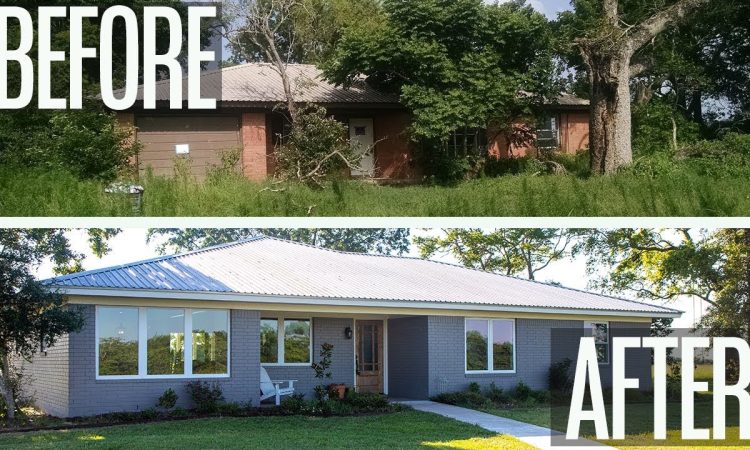
That detached garage at the back of your lot? Or the cavernous, car-filled space attached to your house? Honestly, it’s probably one of the most underutilized square footage assets you own. For many homeowners, it’s a glorified storage unit for holiday decorations and forgotten exercise equipment. But what if it could become something more—a vibrant living space, a source of rental income, or a cozy home for a family member?
Well, that’s the magic of the Accessory Dwelling Unit (ADU). And converting an existing garage is, hands down, one of the most cost-effective and popular paths to get there. Let’s dive into the how, the why, and the what-to-expect of turning that concrete-floored box into a fully functional, legal dwelling.
Why a Garage ADU Makes So Much Sense
Here’s the deal: building an ADU from scratch is a major undertaking. You’re dealing with new foundations, framing, roofing—the whole nine yards. A garage conversion, however, starts with a huge advantage. The structure is already there. Four walls and a roof? Check. A foundation? Almost certainly. This existing “shell” dramatically reduces construction time and, often, cost.
Beyond the economics, it’s a smart use of space. You’re densifying your property without altering the main home’s footprint much. In a time of housing shortages and skyrocketing rents, creating a gentle, small-scale housing solution feels… well, responsible. It can provide housing for an aging parent (the famed “granny flat”), a returning college grad, or a long-term tenant that helps pay the mortgage.
The Nuts and Bolts: What a Conversion Actually Entails
Okay, so it’s not just about throwing up some drywall and calling it a day. A habitable dwelling has strict requirements. Think of it like upgrading a basic shed into a sophisticated, miniature home. The core systems need a complete overhaul.
- Insulation & Climate Control: Most garages are poorly insulated, if at all. You’ll need to insulate walls, the ceiling, and often the floor. This is non-negotiable for comfort and energy codes. Then, you’ll need a dedicated heating and cooling system—a mini-split heat pump is a fantastic, efficient choice for these smaller spaces.
- Plumbing & Electrical: This is the big one. Unless you had a laundry sink out there, you’re likely starting from zero. You’ll need to run new water supply and waste lines for a kitchenette and a full bathroom. Electrical service must be upgraded to support lighting, appliances, and modern living—think USB outlets and maybe an EV charger if you’re forward-thinking.
- Flooring & Elevation: Garage slabs are often lower than the house foundation and may slope for drainage. You might need to build up a subfloor. This also helps with insulation and hiding new plumbing pipes.
- Egress & Accessibility: Safety first. You must have proper, large-enough windows and doors for emergency escape. Planning for a step-free entrance? It’s a wise consideration that adds long-term value.
Navigating the Maze: Zoning, Permits, and Rules
This is the part that can make or break your project. Seriously. Local regulations are the rulebook you must play by. Ignoring them leads to fines, forced deconstruction, and headaches you don’t need.
First, check your local zoning ordinances. Can your property even have an ADU? Most cities now allow them, but there are nuances—setbacks from property lines, maximum size (often a percentage of your lot or main house), and parking requirements (which, thankfully, many areas are relaxing).
Then comes the permit process. You’ll need building, electrical, plumbing, and mechanical permits. Your plans will be reviewed to ensure they meet the International Residential Code (IRC) and local amendments. It’s a tedious but vital step. Hiring an architect or a design-build firm familiar with ADUs in your area is worth every penny—they know how to navigate this maze efficiently.
| Common Regulatory Hurdle | What to Ask/Check |
| Setback Requirements | How close to the property line can the structure be? Existing garages sometimes are non-conforming. |
| Maximum Height | Can you raise the roof for loft space or higher ceilings? |
| Owner-Occupancy Rules | Does the property owner need to live on-site (in main house or ADU)? |
| Utility Connections | Can you tie into existing home sewer/water, or is a new lateral required? |
Designing for Livability (Not Just a Garage with a Bed)
The best garage ADUs feel intentional, not like an afterthought. Space is at a premium, so every square foot must work hard. Open-plan living areas that combine kitchen, dining, and living space are the standard. Clever storage—think bench seats with lids, floor-to-ceiling cabinets, under-stair drawers—is your secret weapon.
Light is everything. You know how dark a garage can be. Adding new, larger windows and maybe a skylight or two transforms the feel. It makes the space breathe. If the structure allows, popping up the roof for a vaulted ceiling or a small loft sleeping area can dramatically increase the sense of space.
And don’t forget the exterior. A new entrance path, some landscaping, and a porch light can make the ADU feel like its own charming cottage, not a utility building. This curb appeal matters for your enjoyment and for future resale value.
A Realistic Look at Costs & Return on Investment
Let’s talk numbers. A high-end garage conversion ADU can range from $120,000 to $250,000+ depending on size, finishes, and site complexity. That’s generally less than a ground-up build, but it’s still a significant investment.
The ROI, however, can be compelling. In many markets, you can recoup a large portion of the cost through rental income. But maybe more importantly, you’re adding real, tangible value to your property. An approved, permitted ADU is a major asset. It’s not just extra space; it’s flexible, income-generating, multi-generational space. For many, that’s priceless.
The Human Element: More Than Just a Project
Beyond the permits and plywood, this is about people. It’s about hearing laughter from the back house where your grandkids are visiting. It’s the security of knowing your parent is close but independent. Or the relief of a reliable tenant’s rent hitting your account each month.
The process will test your patience—there will be dust, delays, and unexpected discoveries behind those old walls. But in the end, you’re not just converting a garage. You’re activating dormant potential. You’re creating a home within a home, a solution within your own property lines. In a world that often feels short on pragmatic solutions, that’s a powerful thing to build.