
Let’s be honest. Your to-do list is already a mile long. Between work, family, and just trying to squeeze in a moment of peace, the last thing you want to worry about is your roof. You know, that giant, expensive thing sheltering your entire life? It’s easy to forget about—until a shingle lands in your flowerbed or a mysterious drip appears in the ceiling.
That’s where low-maintenance roofing comes in. It’s not about finding a roof that never needs a glance; it’s about choosing a material that demands as little of your precious time as possible. A roof that lets you focus on living your life, not constantly maintaining your house. So, if you’re a busy homeowner looking for a set-it-and-forget-it solution (or as close as you can get), you’re in the right place. Let’s dive into the best options.
What Makes a Roof “Low-Maintenance,” Anyway?
Before we get to the specific materials, it helps to know what we’re looking for. A truly low-maintenance roof is built on a few key principles:
- Durability: It can withstand harsh sun, pounding rain, high winds, and freezing temperatures without degrading quickly. Think of it as the difference between a delicate silk blouse and a rugged denim jacket.
- Resistance to Elements: It’s specifically designed to fight off its biggest enemies, like algae, moss, mold, and impact from hail or falling branches.
- Longevity: It has a long, long lifespan. A 50-year roof means you’re likely to only install it once while you own the home. That’s peace of mind.
- Minimal Upkeep: It doesn’t require regular treatments, coatings, or repairs. The occasional inspection? Sure. But constant fussing? No thank you.
Top Contenders for Your Low-Maintenance Roof
1. Metal Roofing: The Modern Powerhouse
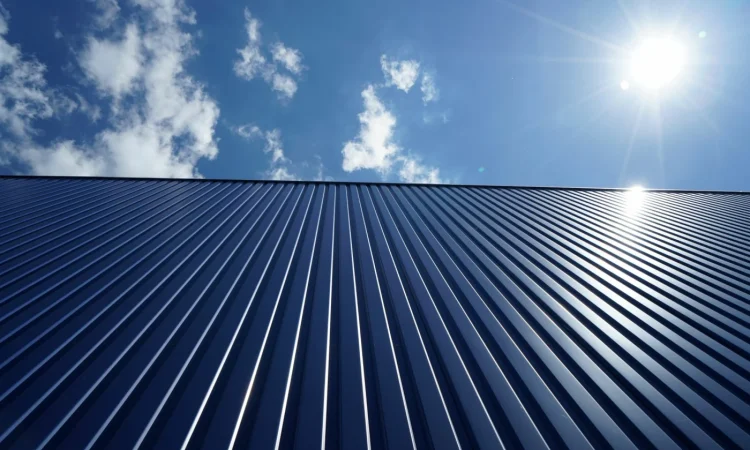
Metal roofing has shed its old barn-like image and is now a sleek, highly efficient choice for modern homes. Honestly, it’s a top pick for busy homeowners for a bunch of reasons.
Why it’s low-maintenance: Metal panels are incredibly strong. They’re fire-resistant, wind-resistant, and shed snow and rain effortlessly. They won’t crack, curl, or rot like some other materials. Algae and moss? They can’t get a foothold on that smooth, hard surface. A good rainstorm basically gives your roof a free shower.
Things to consider: The initial cost is higher than asphalt shingles, but you’re paying for that incredible longevity. It can also be noisier during heavy rain, though proper insulation solves that. And you’ll want to make sure it’s installed by a pro who specializes in metal—it’s a different beast.
Lifespan: 40 to 70 years, depending on the metal (steel, aluminum, copper).
2. Slate Roofing: The Timeless Classic
If you’re looking for a “forever” roof, slate is it. Literally. We’re talking about a roof made from real stone. It’s heavy, it’s elegant, and it’s arguably the most durable roofing material on the planet.
Why it’s low-maintenance: Slate is virtually impervious to the elements. It doesn’t burn. It laughs at wind and rain. It won’t rot or suffer from insect damage. Aside from the very rare broken tile that might need replacing after a major hailstorm, a slate roof asks for nothing but admiration.
Things to consider: This is the most expensive option, both in material and installation. It’s extremely heavy, so your home’s structure must be able to support it. Not all contractors know how to work with it properly. But if your budget and house can handle it, you’ll never have to think about your roof again.
Lifespan: 75 to 200+ years. Yes, you read that right.
3. Composite Shingles (Polymer or Synthetic): The Smart Impersonator
This is where technology really shines. Composite shingles are engineered to look like slate or wood shakes but are made from advanced polymers and recycled materials. They offer the beauty of high-end roofs without the extreme cost or weight.
Why it’s low-maintenance: These shingles are designed for toughness. They’re highly impact-resistant (great for hail-prone areas) and often come with algae-fighting coatings. They won’t split, warp, or degrade under UV rays like natural wood can. They’re also much lighter than slate or clay, making them suitable for almost any home.
Things to consider: This is a newer category, so long-term data beyond 50 years is still coming in. Quality varies between manufacturers, so do your homework. But for a balance of aesthetics, durability, and cost, it’s a fantastic choice for a low-maintenance roof.
Lifespan: 40 to 50 years.
4. Clay or Concrete Tiles: The Sun-Baked Solution
Popular in Spanish, Southwestern, and Mediterranean-style homes, clay and concrete tiles are another incredibly long-lasting option. They have a distinct, beautiful appearance that only improves with age.
Why it’s low-maintenance: These tiles are fired at extremely high temperatures, making them non-combustible and highly resistant to rot and insect damage. They perform exceptionally well in hot, sunny climates. Concrete tiles, while heavy, are a more affordable alternative to clay and share similar low-maintenance benefits.
Things to consider: Like slate, they are very heavy and require a reinforced roof structure. They can be brittle and may crack if walked on or hit by large debris. But for the right home in the right climate, they are a stunning, hands-off option.
Lifespan: 50 to 100 years.
A Quick Comparison Table
| Material | Estimated Lifespan | Key Low-Maintenance Feature | Relative Cost |
| Metal | 40-70 years | Sheds debris & water; resists algae | Medium-High |
| Slate | 75-200+ years | Impervious to fire, rot, and insects | Very High |
| Composite | 40-50 years | Impact-resistant; algae-resistant coatings | Medium |
| Clay/Concrete | 50-100 years | Excellent in heat; non-combustible | High |
What About Good Ol’ Asphalt Shingles?
You might be wondering about the most common roof in North America. Standard 3-tab asphalt shingles are budget-friendly but aren’t really low-maintenance. They have a shorter lifespan (15-20 years) and are more susceptible to wind damage, algae stains (those black streaks), and granule loss.
That said, architectural asphalt shingles are a different story. They’re thicker, heavier, and much more durable. Many are now rated for high winds and include algae-resistant copper coatings. While not as long-lasting as metal or slate, they are a solid, mid-range option for homeowners wanting a step up in durability without a massive price jump.
The Secret Ingredient: Professional Installation
Here’s the deal: even the best low-maintenance roofing material can become a high-maintenance nightmare if it’s installed poorly. The installation is just as important as the product itself. A great contractor will ensure proper ventilation, flashing, and underlayment—the hidden systems that keep your roof healthy for decades. Don’t cut corners here. It’s the difference between a roof that protects your home and one that causes problems.
Making Your Choice: It’s More Than Just Material
So, how do you choose? Think about your local climate, your home’s architectural style, and, of course, your budget. A metal roof might be perfect for a snowy climate, while clay tiles are ideal for a hot, dry one. A composite roof could be the perfect compromise for a suburban home wanting a wood-shake look without the fire risk.
Your roof is a long-term investment in your peace of mind. By choosing a truly low-maintenance option, you’re not just buying shingles or tiles. You’re buying back your time. You’re investing in weekends free from roof-related chores and worries. And in our busy world, that might just be the most valuable feature of all.