
Let’s be honest. Watching your garden drink up hundreds of gallons of municipal water every summer can feel… well, a bit painful. Especially when you know that perfectly good water is literally going down the drain from your showers, sinks, and laundry. What if you could reroute it? That’s the simple, powerful idea behind greywater recycling for residential landscape irrigation.
It’s not just about saving money on your water bill (though that’s a fantastic perk). It’s about building a more resilient, self-sufficient home. Think of it as giving your landscape a steady, reliable diet of recycled nutrients, while easing the strain on community water supplies. Here’s the deal on how these systems work, what they can do for you, and how to get started.
What Exactly is Greywater? (And What It’s Not)
First, a quick clarification. Greywater is the gently used water from bathroom sinks, showers, bathtubs, and clothes washing machines. It contains some soap, hair, and traces of dirt, but it’s not sewage. That’s blackwater—from toilets and kitchen sinks (which often has food particles and grease). Greywater is, in fact, about 50-80% of a household’s wastewater. That’s a huge resource just waiting to be tapped for outdoor use.
Why Your Plants Might Prefer It
You might be surprised. Mild soaps and detergents contain elements like nitrogen and phosphorus, which are, you know, common ingredients in fertilizer. When you use a plant-friendly greywater product, you’re delivering a mild nutrient boost along with the hydration. It’s a gentle, constant feed that many trees, shrubs, and ornamentals thrive on.
Types of Residential Greywater Systems: From Simple to Sophisticated
Not all systems are created equal. Your choice depends on budget, local codes, and how hands-on you want to be. They generally fall into three buckets.
1. The “Laundry-to-Landscape” (L2L) System
This is the gateway system. It’s often DIY-friendly and low-cost. Essentially, you divert the discharge hose from your washing machine directly to your yard via a 1-inch irrigation line. It uses gravity—no pump needed if you have slope. You manually move the outlet hose to different mulch basins around trees or shrubs. It’s a brilliant, simple way to start reusing greywater for garden irrigation with minimal fuss.
2. Branched Drain Gravity Systems
A step up. These systems capture water from multiple sources—like showers and bathroom sinks—using gravity-fed pipes that split (or branch) off to different irrigation zones. They require careful planning and slope, and they’re usually installed during a remodel or new build. The water is distributed to mulch basins, never stored, which is a key point for simplicity and safety.
3. Pumped & Filtered Treatment Systems
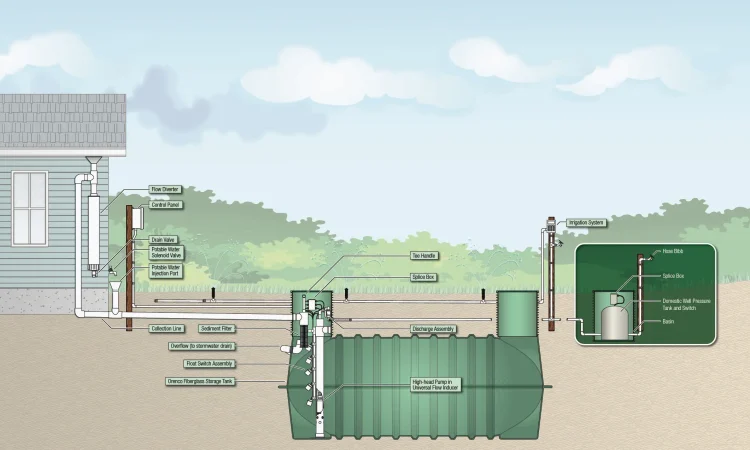
The most advanced option. These systems collect greywater, filter it (sometimes with sand filters or membrane technology), and then use a pump and timer to send it through a dedicated drip irrigation system. They can include storage tanks, but storage complicates things—you typically need to use the water within 24 hours to prevent bacterial growth. These are fantastic for larger properties or areas with strict codes, offering the most control and coverage.
| System Type | Best For | Key Consideration |
| Laundry-to-Landscape | Beginners, budget-conscious, DIYers | Check local codes; uses only laundry water |
| Branched Drain | New builds or major renovations | Requires consistent slope; no storage/pump |
| Pumped & Filtered | Large landscapes, complex layouts, code compliance | Higher cost; professional install often needed |
The Real Benefits: More Than Just Water Savings
Sure, the water bill savings are tangible. But the perks run deeper.
- Drought Resilience: Your garden becomes less dependent on rainfall or municipal restrictions. It’s a buffer against increasingly common dry spells.
- Reduced Strain on Infrastructure: You’re sending less wastewater to treatment plants, which lowers energy use and community costs. It’s a quiet act of civic good.
- Healthier Plants (Often): That consistent, nutrient-tinged water can lead to lusher growth. It’s like a slow-release compost tea delivered right to the roots.
- Groundwater Recharge: When you irrigate with greywater, much of it percolates down, replenishing local aquifers instead of being piped away.
Important Considerations & Safety Guidelines
This isn’t a “set it and forget it” free-for-all. Greywater requires a bit of mindfulness. Think of it as a partnership with your landscape.
What to Avoid in Your Greywater
Be picky about what goes down the drain. Harsh chemicals, bleach, boron-based products, and loads with lots of diaper or soiled pet waste should not go into a greywater system. Opt for biodegradable, low-sodium, and phosphate-free soaps and detergents. Your plants will thank you.
Smart Irrigation Practices
Greywater should be applied subsurface or to mulch basins. You don’t want it to pool or contact edible parts of plants (especially root vegetables). It’s generally recommended for ornamental plants, trees, and non-edible landscaping. Drip irrigation lines designed for greywater are a smart, safe choice for filtered systems.
The Code Conundrum
This is the big one. Regulations for residential greywater system installation vary wildly by state, county, and even city. Some places embrace L2L systems with no permit; others require detailed engineering plans. Always, always check with your local building or health department first. Navigating the red tape is a crucial step.
Is a Greywater System Right for You? Ask These Questions.
- What’s your soil like? Well-draining soil is essential. Clay-heavy soil can become waterlogged.
- What’s your landscape layout? Do you have slope for gravity? Are your planting areas accessible from the house?
- What’s your household size? More people typically means more greywater—a good thing for a larger landscape.
- Are you willing to shift some habits? Like being mindful of your laundry soap?
If you’re in an arid region, have a decently sloped yard, and are frustrated by watering restrictions, the answer is often a resounding yes.
A Final Thought: Changing Your Relationship with Water
Installing a greywater system does something subtle. It turns waste into a resource. You start to see the water cycle not as some distant, municipal process, but as a loop you can help close right in your own backyard. The gentle gurgle of water heading to your fruit trees instead of the sewer isn’t just a sound—it’s a small, daily testament to a more thoughtful way of living.
It’s not about perfection. It’s about participation. And honestly, in a world of tightening resources, that might be the most lush and sustainable landscape of all.